Published
- 4 min read
Silk vs. Poly: The Ultimate Material Guide for Realistic Artificial Plants
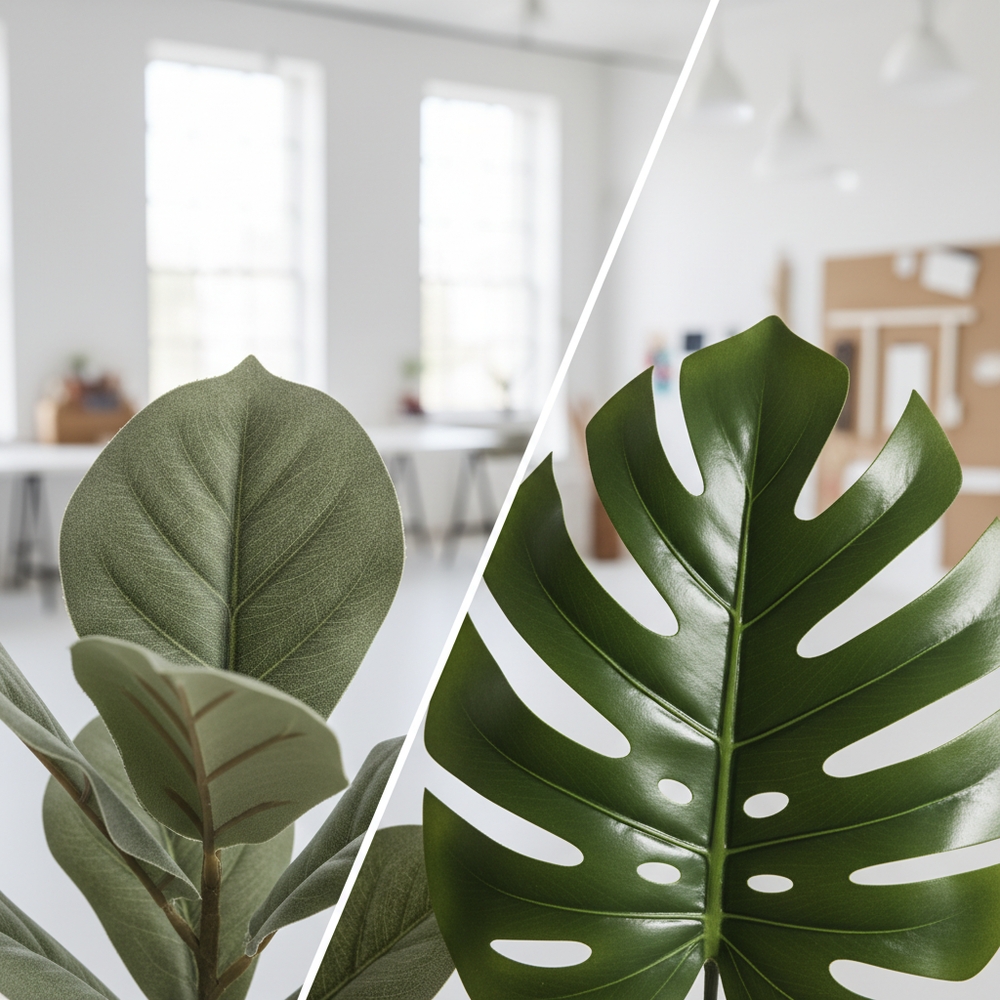
Silk vs. Poly: The Ultimate Material Guide for Realistic Artificial Plants
As an expert in botanical design, I am often asked: “What is the best material for a fake plant?” The answer isn’t as simple as you might think. In 2026, the technology behind artificial greenery has branched into several distinct paths, each with its own set of advantages for realism, durability, and maintenance.
If you want your home to look like a high-end designer space, you must understand the difference between Silk, Polyester, Polyethylene (PE), and Polyurethane (PU). Choosing the wrong material for a specific room can immediately break the illusion of life. In this guide, I will break down the science and aesthetics of every major faux plant material to help you make the most realistic investment for your home.
1. Traditional “Silk” Plants (Polyester Blends)
First, a trade secret: almost no “silk” plants are actually made of silk today. They are typically made from a blend of polyester and rayon. The name “silk” refers to the soft, fabric-like feel of the leaves.
- The Look: Silk plants have a soft, matte finish that reflects light very naturally. They excel at mimicking delicate, thin-leaved plants like Ficus, Maples, and flowering stems.
- The Pros: They move beautifully in a breeze and have a “living” lightness to them.
- The Cons: They are dust magnets. They are also prone to fraying at the edges over time and cannot be used outdoors as the fabric will rot and the dyes will bleed.
- Best For: Bedrooms and low-traffic living areas where soft textures are preferred.
- Affiliate Pick: Nearly Natural 6ft Silk Weeping Ficus Tree
2. PE (Polyethylene) and the “Real-Touch” Revolution
Polyethylene is the material behind the high-end “real-touch” movement. Unlike silk, which is a flat fabric, PE plants are made using molds of actual living plants.
- The Look: These are 3D-molded. The veins, the stem attachments, and the varied thickness of a leaf are all replicated in three dimensions.
- The Pros: They are incredibly durable and often water-resistant. The texture feels waxy and slightly cool, just like a real leaf. Many are also UV-rated for outdoor use.
- The Cons: They can be heavier than silk and, if poorly made, can have a “plastic-y” smell when first unboxed.
- Best For: Kitchens, bathrooms, and high-impact floor plants like Monsteras or Fiddle Leaf Figs.
- Affiliate Pick: Kazeila 4ft Real-Touch Artificial Monstera
3. PU (Polyurethane) for Succulents and “Fleshy” Plants
If you are buying faux succulents, cacti, or aloe, you are likely looking at Polyurethane. This material is denser and more rubber-like than PE.
- The Look: PU is perfect for plants that naturally have a high water content. It captures that “squishy,” succulent feel perfectly.
- The Pros: It is virtually indestructible and very easy to clean with a damp cloth.
- The Cons: It is the most expensive material to produce per square inch.
- Best For: Tabletops, desks, and bathroom vanities.
- Affiliate Pick: Deroma Set of 3 PU Artificial Succulents
How to Choose Based on Room Environment
The Sunny Living Room: Go with UV-Rated PE. Even if the plant is indoors, direct sunlight through a window will fade traditional silk in months. PE is built to withstand the rays.
The High-Humidity Bathroom: Avoid Silk at all costs. The fabric will absorb moisture and can eventually grow mold or mildew. Use PE or PU models which are moisture-impervious.
The Cozy Bedroom: This is where Silk shines. The soft, non-reflective texture of silk leaves creates a gentler, more relaxing vibe that complements bedding and curtains.
Conclusion
The “Realism Revolution” of 2026 means you have more choices than ever. For large, structural trees, I recommend investing in Real-Touch PE with natural wood trunks. For delicate accents and flowering branches, high-quality Silk blends are still the aesthetic winner. Match your material to your environment, and your guests will never know the difference.