Published
- 6 min read
Expert Kitchen Styling: How to Use Fake Plants for a Fresh, Culinary Look
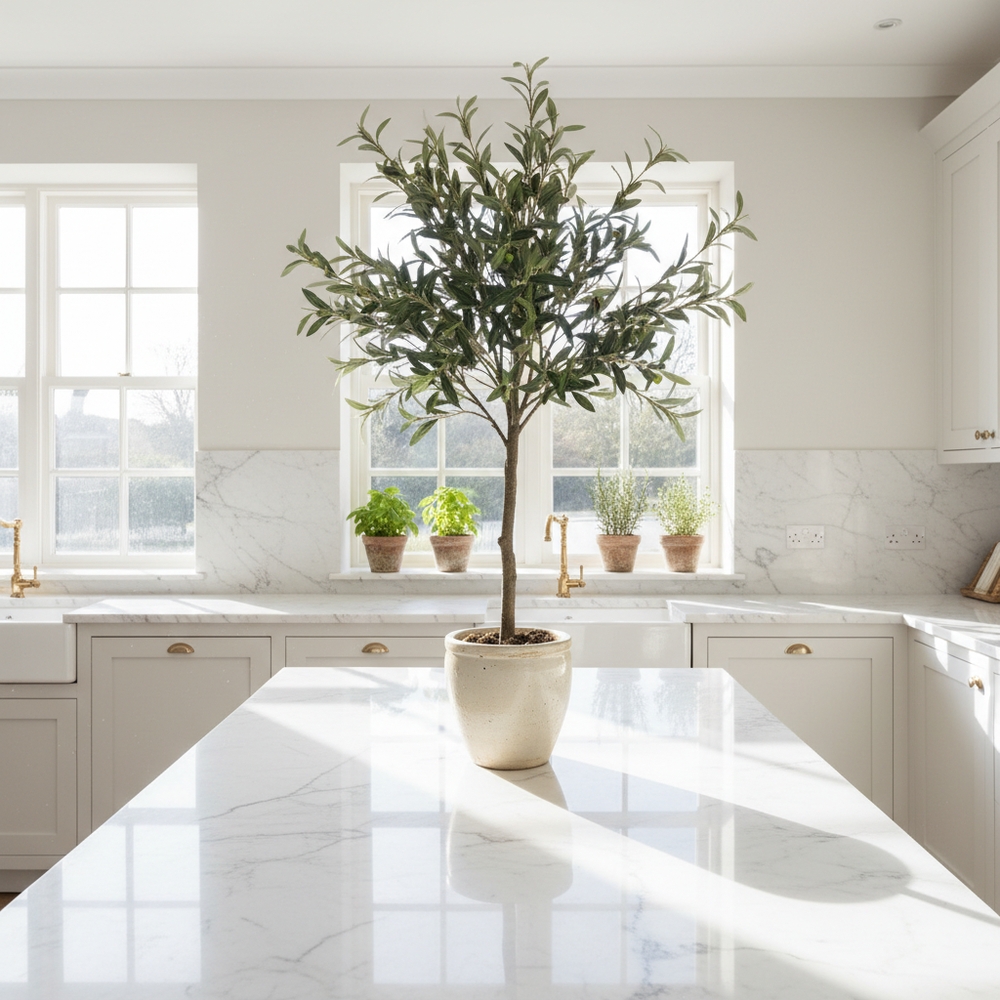
Expert Kitchen Styling: How to Use Fake Plants for a Fresh, Culinary Look
The kitchen is the heart of the home. It’s where we gather, cook, and share stories. Because it’s a space associated with freshness and nourishment, greenery is an essential design element. However, the kitchen is also one of the most difficult places to keep real plants alive. Between the heat from the oven, the fluctuating humidity from boiling pots, and the grease that inevitably settles on every surface, living plants—especially delicate herbs—often struggle to survive.
As an interior stylist, I’ve transitioned many of my clients to high-quality kitchen faux greenery. In 2026, artificial plants are so realistic that they can provide that “just-picked” look without the heartbreak of a dying basil plant on your windowsill. A strategically placed artificial olive tree or a cluster of faux herbs can soften the hard lines of cabinetry and stainless steel, making your kitchen feel warmer, more organic, and infinitely more inviting.
In this guide, I will show you how to style your kitchen and dining areas like a pro, featuring the best artificial plants on Amazon that are specifically suited for culinary spaces.
Why Faux is the “Secret Ingredient” for Kitchens
- Light Independence: Many kitchens have cabinets that block natural light or small windows that don’t provide enough sun for real herbs. Faux plants stay vibrant in any lighting.
- Grease and Dust Management: Real plants have porous leaves that absorb kitchen grease, making them impossible to clean. High-quality faux plants can be wiped down or even gently washed with soap and water.
- Temperature Resilience: Kitchens can go from 65°F to 85°F in an hour. Faux plants are immune to the “shock” that kills real ones.
- No Soil, No Pests: You don’t want soil-dwelling gnats or dirt near your food preparation areas. Artificial plants are perfectly hygienic.
Top 4 Faux Plants for Kitchens and Dining Rooms
In a kitchen, the goal is to choose plants that feel “at home” in a culinary environment.
1. The Windowsill Essential: Artificial Potted Herbs (Basil, Rosemary, Thyme)
Nothing says “kitchen” like a trio of herbs.
- Why it looks real: Look for sets with “soil-like” bases and realistic, slightly varied leaf shapes.
- Styling Tip: Place a set of three in small terracotta pots on your windowsill or on a tiered tray. They add a pop of vibrant green that makes the kitchen look “active.”
- Get it on Amazon: Set of 3 Artificial Potted Kitchen Herbs
2. The Island Centerpiece: Faux Olive Tree in a Stoneware Pot
An olive tree is the ultimate sophisticated kitchen accent. Its muted tones work beautifully with neutral kitchen palettes.
- Why it looks real: Premium olive trees feature real wood trunks and delicate, dual-toned leaves.
- Styling Tip: Use a 4-foot or 5-foot tree in a large corner or a 2-foot tabletop version as a centerpiece for your kitchen island.
- Get it on Amazon: Croche 2ft Desktop Artificial Olive Tree
3. The Shelf Softener: Artificial Trailing Ivy or Eucalyptus
If you have open shelving or high cabinets, trailing plants are mandatory for “bridging the gap” between the ceiling and the furniture.
- Why it looks real: Faux ivy has a naturally waxy leaf that is easy to replicate.
- Styling Tip: Place a small pot of trailing ivy on top of your refrigerator or on a high shelf, allowing the vines to drape down naturally.
- Get it on Amazon: Premium Potted Artificial Trailing Ivy
4. The Dining Table Statement: Artificial Eucalyptus in a Vase
For the dining table, you want something that adds height but isn’t too “busy” to see through.
- Why it looks real: Eucalyptus stems have a dusty, matte finish that is incredibly convincing.
- Styling Tip: Bunch 10-15 stems in a tall, simple ceramic vase. It creates a modern, farmhouse look that stays fresh through every dinner party.
- Get it on Amazon: Bulk Artificial Eucalyptus Stems (20 pieces)
Expert Styling: The Kitchen “Layering” Method
To make your faux plants look like part of a deliberate design, use these three professional techniques.
1. The “Working Kitchen” Aesthetic Place your artificial herbs near your cutting board or spice rack. This “contextual placement” tricks the brain into thinking they are real because they are where a cook would naturally keep fresh ingredients.
2. Elevate with Quality Planters The easiest way to make a fake plant look real is to put it in a real pot. Avoid plastic. Use:
- Aged Terracotta: For a rustic, Mediterranean vibe.
- Matte White Ceramic: For a clean, modern kitchen.
- Woven Baskets: To add warmth and texture to the space.
3. Use the “Rule of Three” On a dining table or a breakfast nook, style in groups of three. For example: a large vase of eucalyptus, a smaller bowl of faux lemons, and a decorative candle. The varied heights and textures create a balanced, professional look.
Maintenance: Keeping Kitchen Greenery Clean
Kitchen plants are prone to a fine film of grease and dust.
- Monthly Wipe-Down: Use a microfiber cloth dipped in a very weak solution of dish soap and warm water. Wipe the leaves of broad plants like Monstera or Olive trees.
- Herb Cleaning: For small-leaved herbs, you can actually rinse them gently in the sink and pat them dry.
- Avoid Heat Sources: Don’t place your faux plants directly on top of the toaster oven or too close to the stovetop, as extreme heat can warp the plastic over time.
Conclusion
Decorating your kitchen with artificial plants allows you to enjoy a lush, fresh culinary environment without the mess and stress of gardening. By choosing high-quality, realistic herbs and trees, and styling them with intention, you can create a vibrant heart for your home that stays beautiful regardless of how much you cook. Start with a simple olive tree and a set of windowsill herbs, and see how much life they bring to your space.