Published
- 5 min read
UV Protection Guide: How to Stop Your Artificial Plants from Turning Blue
UV Protection Guide: How to Stop Your Artificial Plants from Turning Blue
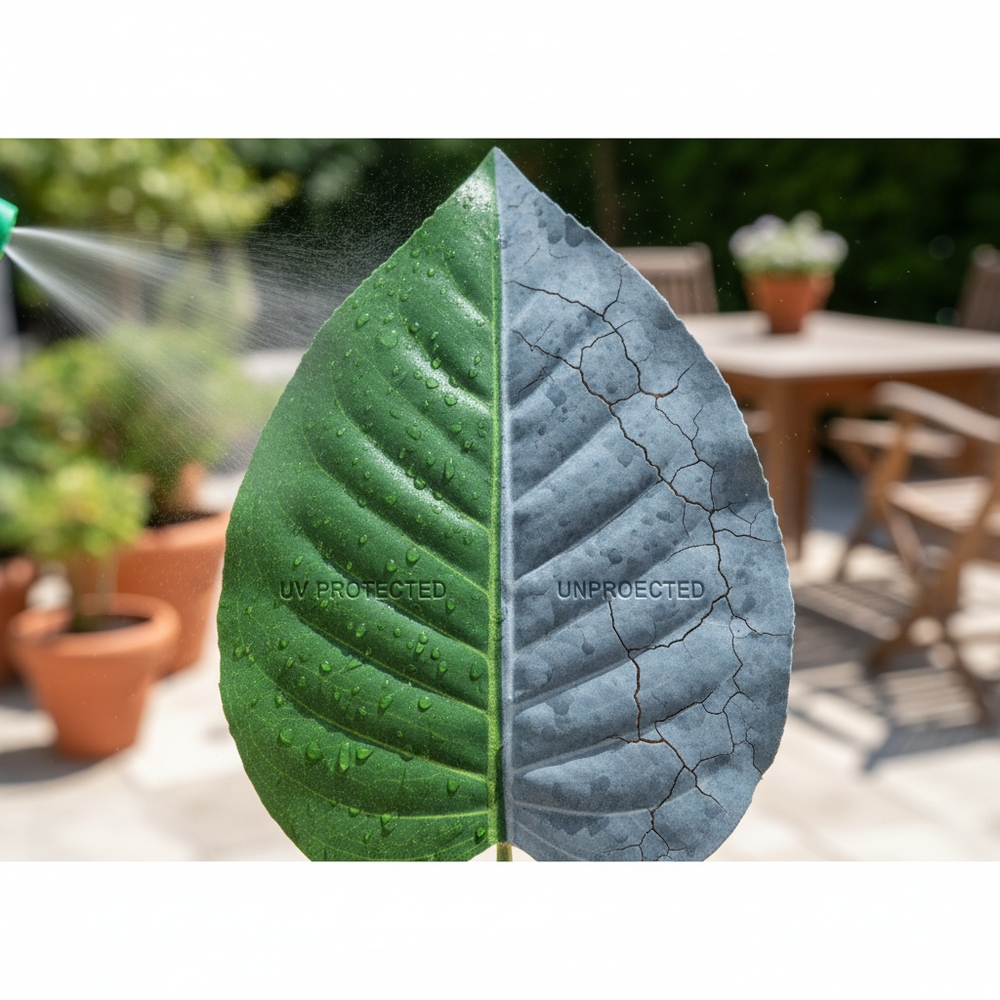
If you have ever placed a beautiful silk plant on a sun-drenched windowsill or an artificial topiary on your front porch, you have likely witnessed the “Blue-Gray Fade.” Over time, the intense ultraviolet (UV) radiation from the sun breaks down the chemical pigments and polymers in artificial plants. What was once a vibrant, forest green becomes a dull, sickly blue or a brittle, chalky gray.
As an expert in outdoor artificial styling, I can tell you that photo-degradation is the #1 cause of “death” for high-quality faux greenery. But it doesn’t have to be this way. In 2026, we have the tools and techniques to effectively “sunblock” our plants, extending their lifespan from one season to over five years.
In this comprehensive guide, I will explain the science of UV damage and show you how to protect your investment using the best UV-shielding products on Amazon. Whether your plants are indoors by a window or outdoors in the elements, this is your definitive playbook for permanent vibrancy.
1. Why do Artificial Plants Change Color?
The sun emits three types of UV rays: UVA, UVB, and UVC.
- Pigment Breakdown: UV rays hit the dye molecules in the fabric or plastic. The energy from the light physically breaks the chemical bonds of the colorant, causing it to lose its saturation.
- Polymer Embrittlement: Beyond color, UV light attacks the “backbone” of the plastic itself (the polyethylene or polyester). This makes the leaves brittle and prone to snapping or crumbling.
- The “Blue” Shift: Blue is one of the most stable pigments in the chemical spectrum, while yellows and reds fade fastest. As the yellow pigments in your “green” plant disappear, only the blue remains—hence the blue shift.
2. Choosing “Inherently UV-Rated” Plants
The best protection starts at the point of purchase. Look for plants that are labeled as “Inherently UV Protected” (IUV).
- How it works: UV inhibitors are mixed directly into the polymer resin during the manufacturing process. This means the protection is consistent throughout the entire leaf, not just on the surface.
- Affiliate Pick: Nearly Natural UV-Protected Artificial Boxwood Topiaries
- Expert Tip: If a plant is marketed as “Outdoor Safe,” it should be UV-rated, but always double-check the product description for the specific mention of UV inhibitors.
3. The Professional “Sunblock” Method (UV Sprays)
If you already own artificial plants that are not UV-rated, or if you want to double the protection on your outdoor greenery, you must use a specialized UV-protector spray.
- The Product: Look for a clear, matte spray specifically formulated for artificial foliage. Avoid standard furniture clear-coats, as they can be too glossy and may yellow over time.
- Affiliate Pick: Tri-Coastal UV Protector Spray for Artificial Plants
- The Technique:
- Clean the plant thoroughly to remove dust.
- Move the plant to a well-ventilated outdoor area.
- Apply a thin, even coat from 12 inches away.
- Ensure you spray the underside of the leaves as well as the tops.
- Let it dry for 24 hours before moving it back into the sun.
4. Strategic Positioning for Longevity
You can significantly reduce UV load simply by being smart about where you place your plants.
- The “Shadow Play” Strategy: On a front porch, place your faux trees where they are shaded by the roof for the majority of the day.
- The Window Rotation: For indoor plants near windows, rotate the pot 90 degrees every two weeks. This ensures that any fading that does occur happens evenly across the entire plant, making it much less noticeable.
- Indoor UV Film: Consider applying a clear UV-blocking film to the glass of your sunniest windows. This protects not only your plants but also your rugs and furniture.
Maintenance Schedule: The Yearly “Shield”
I recommend a yearly UV maintenance routine for all outdoor artificial greenery:
- Spring: Deep clean with a hose and re-apply a fresh coat of UV-protector spray.
- Summer: Check for signs of brittleness. If a leaf snaps easily, it needs a deep coat of spray.
- Winter: If you live in an extreme climate, bring your faux trees into a shed or garage. While UV is lower in winter, the combination of cold and light can accelerate polymer breakdown.
Conclusion
UV damage is the silent killer of beautiful faux decor. By investing in inherently UV-rated plants from Amazon and maintaining them with a high-quality protector spray, you can keep your home and garden looking lush and vibrant for years. Don’t let your green thumb turn blue—shield your plants today and enjoy permanent, zero-maintenance beauty.